Embark on a journey through the realm of Wellness Incentives in Lifestyle Health Plans, where the fusion of incentives and health goals creates a compelling narrative for individuals seeking to enhance their well-being.
Delve into the exploration of various types of incentives, their design principles, and the impact assessment strategies that shape the landscape of modern health plans.
Overview of Wellness Incentives in Lifestyle Health Plans
Wellness incentives in lifestyle health plans are rewards or benefits given to individuals to encourage them to engage in healthy behaviors and make positive lifestyle choices. These incentives aim to motivate individuals to take proactive steps towards improving their overall well-being and reducing health risks.
Importance of Wellness Incentives
Wellness incentives play a crucial role in lifestyle health plans by providing tangible rewards that act as a driving force for individuals to prioritize their health. By offering incentives such as discounts on gym memberships, rewards for reaching fitness goals, or financial incentives for completing health assessments, individuals are more likely to stay committed to their wellness journey.
- Wellness incentives can motivate individuals to adopt healthier behaviors by making healthy choices more appealing and rewarding.
- These incentives create a sense of accountability and achievement, encouraging individuals to stay consistent with their health goals.
- By incorporating wellness incentives into lifestyle health plans, organizations can create a culture of wellness and improve overall employee satisfaction and productivity.
- Wellness incentives can also lead to long-term behavior change, as individuals are more likely to maintain healthy habits when they are rewarded for their efforts.
Types of Wellness Incentives
Wellness incentives are a key component of lifestyle health plans, designed to motivate individuals to adopt and maintain healthy behaviors. Various types of wellness incentives are commonly used to encourage positive lifestyle changes.
Rewards
Rewards are incentives offered to individuals who achieve specific health goals or participate in wellness activities. These can include gift cards, cash bonuses, or other tangible rewards that serve as a motivation for individuals to stay committed to their health goals.
Discounts
Discounts on gym memberships, healthy food purchases, or wellness services are another common type of incentive. By providing cost savings for healthy choices, individuals are more likely to engage in activities that promote overall well-being.
Challenges
Wellness challenges, such as step competitions, weight loss challenges, or nutrition tracking contests, are effective in promoting sustained behavior change. These challenges create a sense of community and accountability among participants, making it easier to stay committed to healthy habits.
Health Insurance Premium Reductions
Some lifestyle health plans offer incentives in the form of reduced health insurance premiums for individuals who meet certain health criteria or participate in wellness programs. This financial incentive motivates individuals to prioritize their health and well-being.
Wellness Points Programs
Wellness points programs allow individuals to earn points for engaging in healthy behaviors, such as attending fitness classes, completing health assessments, or tracking their meals. These points can then be redeemed for rewards or discounts, providing ongoing motivation for participants.
Successful Implementation Examples
One successful example of wellness incentives in lifestyle health plans is a company offering employees monetary rewards for achieving fitness goals and participating in wellness programs. This resulted in increased employee engagement and improved overall health outcomes within the organization.
Designing Effective Wellness Incentives
When designing wellness incentives for lifestyle health plans, it is crucial to consider key factors that can influence participant engagement and motivation. Tailoring these incentives to meet the diverse needs of participants is essential to ensure that they are effective and successful in promoting healthy behaviors.
By following best practices in structuring wellness incentives, you can maximize engagement and results, ultimately leading to improved health outcomes for participants.
Key Considerations for Designing Wellness Incentives
- Understand the target audience: Consider the demographics, preferences, and health goals of participants to design incentives that resonate with them.
- Set clear goals: Clearly define the objectives of the wellness incentives to provide participants with a sense of purpose and direction.
- Offer a variety of incentives: Provide diverse options such as financial rewards, discounts, or access to exclusive programs to appeal to different individuals.
- Ensure accessibility: Make sure that the wellness incentives are easily accessible and convenient for participants to participate in without barriers.
Tailoring Wellness Incentives to Meet Diverse Needs
- Personalization: Customize incentives based on individual preferences, health conditions, and goals to make them more relevant and engaging.
- Flexibility: Allow participants to choose from a range of incentives or adjust their goals to accommodate their unique circumstances and preferences.
- Cultural sensitivity: Consider cultural differences and beliefs when designing incentives to ensure inclusivity and respect for diverse backgrounds.
- Educational resources: Provide information and resources to help participants make informed decisions and take proactive steps towards improving their health.
Best Practices for Structuring Wellness Incentives
- Set achievable targets: Establish realistic and attainable goals to motivate participants and prevent feelings of discouragement or failure.
- Track progress: Implement mechanisms to monitor and track participant progress towards their goals, providing feedback and encouragement along the way.
- Celebrate milestones: Recognize and reward participants for reaching milestones or making significant progress towards their health objectives.
- Promote social support: Encourage participants to engage with others in the wellness program, fostering a sense of community and accountability.
Measuring Impact and Success of Wellness Incentives
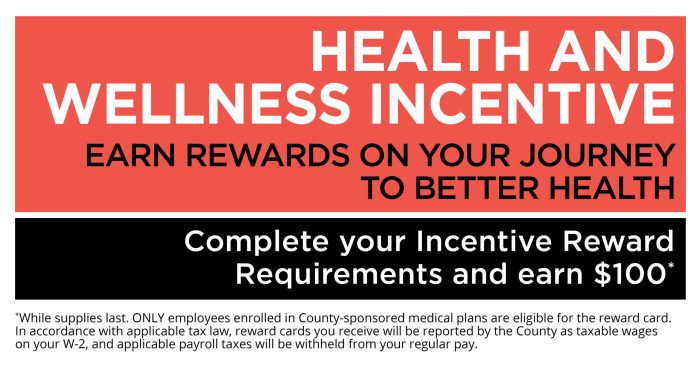
To determine the effectiveness of wellness incentives in lifestyle health plans, it is essential to measure their impact and success. This involves evaluating how these incentives contribute to improving participant health outcomes and overall well-being.
Methods for Evaluating Impact
- Conducting pre and post-program health screenings to track changes in biometric measurements such as blood pressure, cholesterol levels, and BMI.
- Utilizing surveys to gather feedback from participants on their lifestyle changes, engagement with wellness programs, and satisfaction with incentives.
- Analyzing claims data to assess reductions in healthcare costs, hospitalizations, and medication usage among participants.
Importance of Tracking Metrics
- Tracking metrics allows organizations to determine the ROI of wellness incentives and make data-driven decisions to optimize their programs.
- It helps in identifying which incentives are most effective in driving behavior change and improving health outcomes among participants.
- Monitoring metrics enables continuous improvement and adjustment of wellness programs to better meet the needs and preferences of participants.
Data-Driven Approaches
- Implementing wearable technology or health tracking apps to collect real-time data on participants' physical activity, sleep patterns, and nutritional habits.
- Using health risk assessments to identify individual health risks and track progress towards reducing those risks over time.
- Leveraging data analytics to identify correlations between participation in wellness programs, engagement with incentives, and positive health outcomes.
Final Wrap-Up
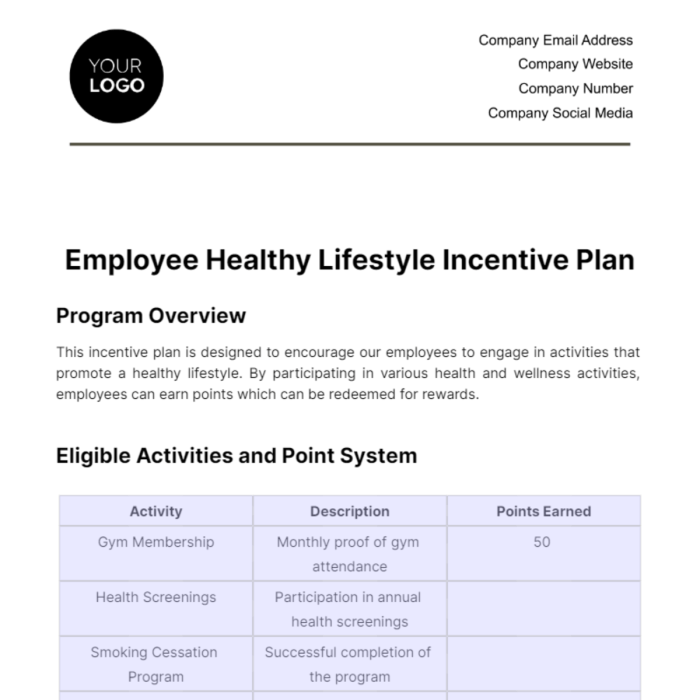
Reflecting on the intricate interplay between incentives and behavior change, this discussion encapsulates the essence of Wellness Incentives in Lifestyle Health Plans, offering a glimpse into the future of personalized health and wellness journeys.
Helpful Answers
What are some common types of wellness incentives used in lifestyle health plans?
Wellness incentives can include rewards, discounts, and challenges to motivate individuals towards healthier behaviors.
How can wellness incentives be tailored to meet the diverse needs of participants?
Designing personalized incentives based on individual preferences and health goals can help cater to the diverse needs of participants effectively.
Why is it important to track metrics to assess the success of wellness incentives?
Tracking metrics helps in evaluating the impact of incentives on participant health outcomes and determining the effectiveness of wellness programs.