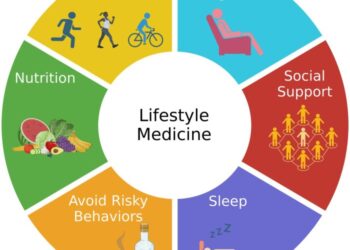
Exploring the realm of Best Plans for Active and Healthy Individuals, this introduction delves into the significance of leading a healthy lifestyle and the positive impact it can have on both physical and mental well-being. It aims to provide valuable insights and practical tips for individuals striving to maintain an active and vibrant life.
Providing an in-depth look at the essential components of optimal health and wellness, this guide offers actionable advice and informative resources to support individuals on their journey towards a healthier lifestyle.
Benefits of Active Lifestyle
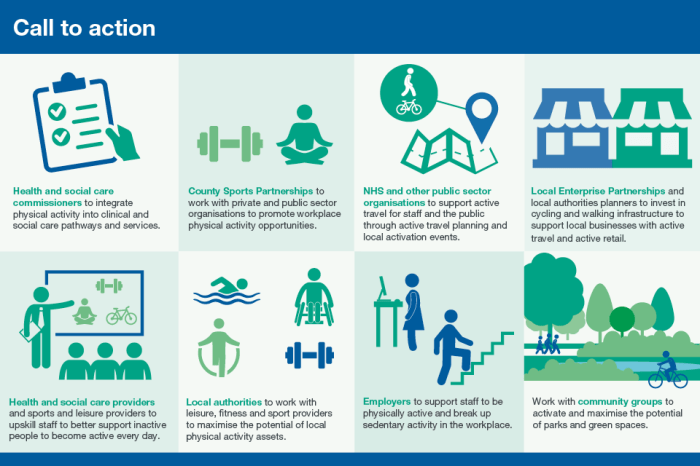
Regular physical activity is essential for maintaining overall health. It helps in keeping the body fit, improving cardiovascular health, and reducing the risk of chronic diseases such as diabetes and obesity.
Improved Mental Well-being
Staying active not only benefits the body but also has a positive impact on mental health. Exercise releases endorphins, also known as "feel-good" hormones, which can help reduce stress, anxiety, and symptoms of depression.
Longevity and Quality of Life
Engaging in regular physical activity has been linked to increased longevity and improved quality of life. It can help in maintaining a healthy weight, boosting energy levels, and enhancing overall well-being. Studies have shown that active individuals tend to live longer and have a lower risk of developing age-related diseases.
Nutrition for Active Individuals
Leading an active lifestyle requires proper nutrition to fuel the body and support physical performance. Adequate intake of essential nutrients is crucial for active individuals to maintain energy levels, promote muscle recovery, and enhance overall health.
Dietary Requirements
Active individuals need a well-balanced diet that includes carbohydrates, proteins, fats, vitamins, and minerals. Carbohydrates are essential for providing energy during workouts, while proteins are necessary for muscle repair and growth. Healthy fats support hormone production and aid in nutrient absorption.
Vitamins and minerals play a vital role in various bodily functions, including metabolism and immune system support.
Foods to Boost Energy Levels
Whole grains
Opt for complex carbohydrates like brown rice, quinoa, and oats for sustained energy release.
Lean proteins
Include sources like chicken, turkey, fish, tofu, and legumes to support muscle recovery.
Healthy fats
Incorporate foods rich in omega-3 fatty acids such as salmon, avocado, nuts, and seeds for optimal health.
Fruits and vegetables
Pack your diet with a variety of colorful produce for vitamins, minerals, and antioxidants.
Hydration
Drink plenty of water throughout the day to stay hydrated and support optimal physical performance.
Importance of Hydration
Proper hydration is essential for active individuals to maintain performance and prevent dehydration. Water plays a crucial role in regulating body temperature, transporting nutrients, and flushing out toxins. Dehydration can lead to fatigue, muscle cramps, and decreased exercise performance. It's important to drink an adequate amount of water before, during, and after physical activity to stay hydrated and support overall well-being.
Effective Workout Plans
Regular exercise is essential for maintaining an active and healthy lifestyle. When it comes to creating an effective workout plan, it's important to incorporate a variety of exercises to target different muscle groups and improve overall fitness levels.
Different Types of Workouts Suitable for Active Individuals
- Strength Training: Involves using resistance to build muscle strength and endurance. This can include weightlifting, bodyweight exercises, or resistance bands.
- Cardiovascular Training: Focuses on improving cardiovascular health and endurance through activities like running, cycling, swimming, or high-intensity interval training (HIIT).
- Flexibility and Mobility Exercises: Stretching and mobility drills help improve joint flexibility, reduce the risk of injury, and enhance overall movement quality.
Compare Strength Training Versus Cardio for Overall Fitness
- Strength Training: Builds muscle mass, increases metabolism, and improves bone density. It also helps with weight management and enhances functional strength for daily activities.
- Cardiovascular Training: Improves heart health, boosts endurance, and burns calories. It can also reduce the risk of chronic diseases like heart disease and diabetes.
- Combining both strength training and cardio in your workout routine can provide a well-rounded approach to fitness, targeting different aspects of physical health.
Share Tips for Creating a Balanced Workout Routine to Prevent Burnout
- Include Rest Days: Allow your body time to recover and prevent overtraining by scheduling rest days throughout the week.
- Vary Your Workouts: Incorporate different types of exercises to avoid boredom and prevent plateaus in progress.
- List Your Goals: Clearly define your fitness goals and tailor your workout routine to align with them for optimal results.
- Listen to Your Body: Pay attention to how your body responds to exercise and adjust your routine as needed to avoid burnout or injury.
- Stay Hydrated and Fuel Your Body: Proper hydration and nutrition are essential for supporting your workouts and maintaining energy levels.
Mental Health and Stress Management
Physical activity plays a crucial role in promoting mental well-being and managing stress levels. Regular exercise can help reduce feelings of anxiety and stress by releasing endorphins, also known as "feel-good" hormones, in the brain.
Connection Between Exercise and Improved Cognitive Function
Exercise has been linked to improved cognitive function and mental clarity. Physical activity increases blood flow to the brain, delivering essential nutrients and oxygen that can enhance brain function. Additionally, exercise promotes the growth of new brain cells and improves connectivity between them, ultimately boosting cognitive performance.
- Engage in aerobic exercises like running, swimming, or cycling to increase blood flow to the brain and enhance cognitive function.
- Incorporate strength training exercises to improve focus, memory, and overall brain health.
- Try activities that require coordination and balance, such as yoga or dance, to stimulate different areas of the brain and promote mental agility.
Incorporating Mindfulness Practices into Daily Routines
Mindfulness practices can be effective in reducing stress and promoting mental well-being. By incorporating mindfulness into daily routines, individuals can cultivate a sense of calm and presence, leading to improved focus and emotional regulation.
Practicing mindfulness techniques such as deep breathing, meditation, or body scanning can help individuals stay grounded and reduce feelings of stress and anxiety.
- Start your day with a few minutes of meditation or deep breathing to set a positive tone for the day ahead.
- Take short mindfulness breaks throughout the day to reset and refocus your mind, especially during busy or stressful moments.
- Practice gratitude by reflecting on the things you are thankful for, promoting a positive mindset and reducing stress levels.
Last Point

In conclusion, adopting the best plans for active and healthy living can truly transform one's life, leading to improved overall well-being and a greater sense of vitality. By prioritizing regular physical activity, proper nutrition, effective workout routines, and mental health practices, individuals can pave the way towards a happier, healthier future.
Commonly Asked Questions
What are the key benefits of an active lifestyle?
An active lifestyle promotes overall health by improving physical fitness, mental well-being, and longevity.
How can nutrition support an active individual?
Proper nutrition provides essential nutrients for energy, muscle recovery, and optimal performance during workouts.
What types of workouts are suitable for active individuals?
Active individuals can benefit from a mix of strength training, cardio, and flexibility exercises to enhance fitness levels.
How does physical activity help in managing stress?
Regular exercise reduces stress hormones and triggers the release of endorphins, promoting a sense of well-being and relaxation.
What role does hydration play in physical performance?
Hydration is crucial for maintaining optimal performance during workouts, as water supports various bodily functions and prevents dehydration.